
December 8, 2025
The State Of Customer Experience In The Global Pharmaceutical Industry, 2025: HCP Interactions
by Hannah Price with Alicia Gionfriddo and Tim van Tongeren

Executive Summary
Pharma engagement passed a pivotal milestone in 2025, with more than half of all interactions with HCPs taking place via digital channels. Yet this shift to digital comes with a warning: while digital reach has expanded, the quality of experiences lags. The CXQ® score of digital interactions fell slightly and that of non-digital interactions plummeted, with all three core drivers—trust, relevance, and simplicity—declining for the first time since COVID-19. Pharma’s overall CXQ® score dipped from 58 to 54. The industry is at an inflection point as HCP expectations rise faster than firms’ ability to deliver high-quality connected engagement. UCB is again the overall leader, showing that clarity, innovation, and focus continue to win hearts and minds. In 2026, pharma must evolve from providing information to delivering impact and ensure that trust, relevance, and simplicity guide every interaction.
The State of Customer Experience in Pharma in 2025
Now in its eighth year, our Customer Experience Quotient® (CXQ®) study provides a comprehensive view of how well the industry is meeting customer expectations and how this influences the decision-making of healthcare professionals (HCPs)—a key factor in understanding companies’ commercial performance. In this year’s survey, conducted from April to June 2025, 6,020 HCPs across 13 countries and eight HCP specialty areas rated 12,040 of their most recent experiences with a pharma company (see Figure 1). Our CXQ® study benchmarks individual firms and the brands they market, the content they create, and the channels they use to engage with the HCP community. This year’s findings reveal that:
- Pharma CX has declined globally. For a few years after the onset of the COVID-19 pandemic, CXQ® scores were fairly stable, but that’s changing in the context of global volatility, increasing resource constraints, and rising expectations. This year, we see a sharp reversal in HCPs’ perception of the experiences that pharma provides, with the overall industry CXQ® score sliding from 58 to 54 (see Figure 2). All three CX pillars (trust, relevance, and simplicity) declined, simplicity most steeply. Last year, we noted that no companies were close to providing excellent experiences across their full channel mix, signaling that they can’t afford to keep doing more of the same.
- The CX slump is not regionally uniform. Japan and Saudi Arabia increased their CXQ® scores, the only two countries to escape the overall downturn in CX performance (see Figure 3). The EU-5 markets fell most steeply, with European HCPs citing complexity, inconsistency, and unmet expectations in both digital and non-digital engagements. Despite score declines, emerging market Brazil ended up in second place with a score of 70; the US dropped one spot, from third in 2024 to fourth this year with a score of 59.
- Fault lines are emerging between specialty areas. There was a sharp decline in how well pharma is meeting the expectations of HCPs in endocrinology and cardiology; their CXQ® scores fell by seven points (see Figure 4). Complex care needs and clinical demand mean that HCPs in these specialties have high expectations, but the industry’s inability to simplify and personalize interactions has increased their dissatisfaction. Oncology and hematology are a mixed bag, with improvements in digital content offset by lower performance in non-digital interactions.
- Affinity for digital is growing. The proportion of digital enthusiasts rose by five percentage points to 22%, reflecting a growing expectation that digital will become the default engagement preference of most HCPs (see Figure 5). The share of traditionalists, who prefer face-to-face engagement, fell to 22%. Most HCPs remain digital adopters, underscoring the importance of fluid, consistent engagement across touchpoints in both digital and nondigital channels.
Figure 1: Methodology for the 2025 Customer Experience Quotient® benchmark
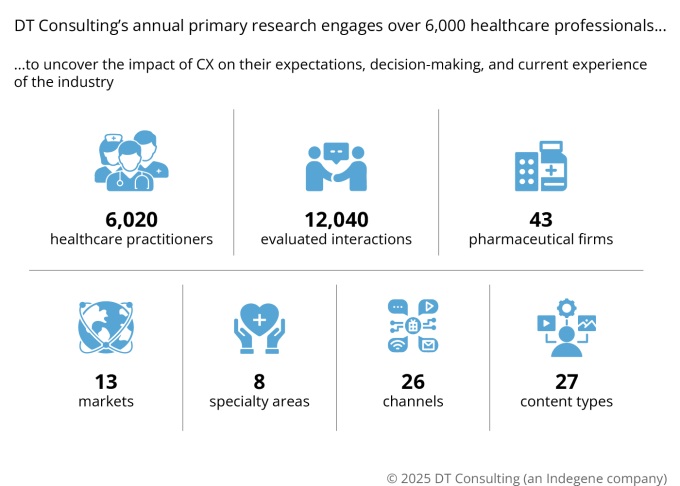
Figure 2: The overall customer experience provided by the pharmaceutical industry declined in 2025

Figure 3: The CXQ® scores of pharmaceutical firms slipped in most countries

Figure 4: CXQ® scores also declined in nearly all specialty areas

Figure 5: HCPs’ affinity for digital channels has increased, but the performance of those channels hasn’t kept up

UCB Stays on Top by a Substantial Margin; Others Are Closely Clustered
The decline in overall industry performance masks a more complex picture at the company level. While some firms stabilized or even improved their customer experience in 2025, many others fell back, widening the gap between the best and worst performers. For the first time, our study also provides a brand-level perspective on CX performance; several firms demonstrated that strong individual brands in their portfolio can excel when supported by deliberate engagement strategies and disciplined execution. We see that:
- A new top three has emerged. Despite the general industry decline, UCB raised its CXQ® score by three points to 68, retaining its top ranking in HCP perceptions (see Figure 6). Returning to the top three was Novo Nordisk with a CXQ® of 63, up two points from last year. In a more competitive landscape, J&J Innovative Medicine, Lilly, and Boehringer-Ingelheim all fell out of the top five. Two firms from the low end of the 2024 rankings bounced back strongly: Moderna’s score rose by nine points and Otsuka’s by eight, signaling renewed momentum and brand vitality.
- Oncology leads, while general medicine and endocrinology struggle. CXQ® scores in nearly all specialties declined in 2025; the sharpest drops were in general medicine (seven points) and endocrinology (six points) amid rising complexity and inconsistent engagement (see Figure 7). Oncology remained the strongest performer, led by Gilead, Merck KGaA, and Roche; Gilead’s surge highlights the impact of clear, relevant scientific communication. Hematology held steady thanks to trusted, specialist-focused engagement from J&J Innovative Medicine and Jazz. In cardiology, Novo Nordisk and Servier improved through message consistency.
- Servier’s Triplixam is the best-rated brand. Our 2025 benchmark highlights how leading brands like Triplixam, Trodelvy, and Bimzelx excel by turning medical innovation and therapeutic focus into relevant, trustworthy experiences (see Figure 8). These brands would have been the first to ever achieve an excellent rating were they also able to simplify how HCPs access and consume their information and services. Rybelsus and Lynparza show how message simplicity amplifies relevance, even in complex therapeutic areas. Mid-tier performers like Eliquis and Kerendia maintain strong performance via reliability and consistency rather than standout differentiation. At the lower end, brands like Creon and Diovan illustrate how complexity and fading relevance dilute trust, reinforcing that clarity and credibility are the true differentiators in pharma.
- Large portfolios expose disparities in CX performance. Analyzing CXQ® scores at firms with extensive brand portfolios reveals striking contrasts in CX execution among major industry players (see Figure 9).1 In particular, the CXQ® scores of AbbVie and Novartis brands vary widely, indicating uneven cross-portfolio CX delivery. In contrast, the performance of Bayer, GSK, and Daiichi Sankyo brands fall within narrower ranges, indicating approaches that are more balanced and consistent. All large-portfolio firms have “CXQ® pearls”—products with standout CXQ® scores like AstraZeneca’s Lynparza, Roche’s Avastin, and Lilly’s Ebglyss—that are often offset by underperforming brands in the portfolio. Even within complex organizations, there are clear models of CX excellence to emulate and scale.
Figure 6: UCB retained its top position in DT’s CXQ® global benchmark

Figure 7: CXQ® by specialty: oncology leads as general medicine and endocrinology struggle

Figure 8: Ranking CXQ® performance across global pharma brands

Figure 9:Large pharma portfolios reveal wide disparities in customer experience performance1

Content and Channel Consistency Continues to Challenge
While trust, relevance, and simplicity remain key indicators of overall CX performance, content and channel are essential ingredients that define how global pharmaceutical firms design and deliver those experiences.Content shapes the clarity, timeliness, and value of each interaction; channel determines its accessibility, convenience, and responsiveness. Together, they influence how effectively pharma engages HCPs in an increasingly complex omnichannel environment. Our study explores how HCPs’ perceptions of content and channel are evolving, revealing shifts in the nature and quality of their interactions with the industry:
- Digital channels lead but their experience lags. For the first time, digital channels have overtaken non-digital ones to account for 51% of all customer engagement. But although digital engagement’s share grew by three percentage points, its overall CXQ® score fell by two points to 52 (see Figure 10). This is better than non-digital interactions, which slid by six points to 57; all three key drivers of trust, relevance, and simplicity lost ground. Pharma is at a pivotal moment: digital engagement continues to increase but has yet to deliver the quality experiences customers expect. An increase in digital enthusiasts is also reshaping expectations; HCPs increasingly prefer to self-serve information on their own terms. This sets a much higher bar for interactions that HCPs see as intrusive or not aligned to their needs.
- Digital channels are redefining engagement dynamics. Pharma HCP engagement is shifting. Traditional in-person field interactions—face-to-face and phone contact with sales and medical reps—continue to fall, whereas experiences with email and video calls are improving (see Figure 11). This signals that HCPs prefer convenience and flexibility. Virtual events declined sharply, reflecting fatigue with large-scale virtual broadcasts and demand for more curated, high-value experiences. In contrast, HQ-driven channels such as websites and social media rose significantly, indicating a shift toward centralized, always-on engagement that delivers consistency and brand clarity in a trustworthy environment. This confirms the transition from relationship-based engagement to content-driven influence, where digital channels now define how trust and relevance are built.
- Quality is slipping across content types. Our data reveals a decline in CXQ® performance in most content categories; the sharpest drops were in disease and product information (see Figure 12). Educational content held steady despite lower volumes, suggesting that it remains a valued, high- quality format. The steepest declines were in specific content areas: information on adverse event management fell by 17 points and new indications by 15; increased volume has not translated into clarity or impact. Formulary information and unaccredited educational content posted modest gains, improving accessibility and usability. The rise in scores for clinical and real-world evidence materials signals growing demand for data-driven insights but ongoing challenges in delivering them effectively. As the content mix evolves, quality is slipping—highlighting the urgent need to refocus on relevance, simplicity, and scientific clarity.
Figure 10: Digital interactions have overtaken non-digital interactions, but the experience lags behind

Figure 11: 2025 confirms the transition from relationship-based engagement to content-driven influence

Figure 12: Growing demand for data-driven information and services hasn’t led to better customer experiences

Pharma Took Its Eye of CX — But Now Must Lead With It
Pharma’s drive for cost efficiency and centralization has sped up organizational transformation, but at the expense of CX. Still, CX remains one of the most powerful commercial levers in pharma—driving nearly one-third of prescription decision-making, doubling the likelihood of a product being prescribed, and significantly boosting engagement (see Figure 13). While the 2025 CXQ® benchmark shows CX declining across the industry, it also highlights a clear path forward. Pharmaceutical firms that act decisively to align leadership, simplify execution, integrate digital and field engagement, and scale what works can turn decline into differentiation. To do this, they must:
- Reprioritize CX as a strategic imperative. Globally, CXQ® saw its sharpest drop since COVID-19 as trust, relevance, and simplicity declined across markets and brands. This suggests that execs lost sight of CX post-pandemic as they focused on short-term launch, revenue, and cost considerations. CX must return to the agenda as a measurable driver of commercial and reputational performance. Execs and country heads should integrate CX metrics and drivers into corporate scorecards, setting targets and ensuring that accountability and investment flow back into creating excellent experiences.
- Restore simplicity to rebuild trust. Of the CXQ® pillars, simplicity declined the most, highlighting growing friction in how HCPs access, interpret, and act on information. Complex messaging and fragmented content journeys erode clarity, which weakens trust and prescribing confidence. Firms must streamline communication, eliminate redundant layers, and prioritize intuitive, needs-based information design. Medical, regulatory, and commercial excellence teams need to jointly own this transformation, embedding simplicity as a quality standard in every HCP interaction.
- Align commercial and medical to transform content into a unifying experience. One reason for the gap between what HCPs expect and what pharma delivers is fragmented content ownership between commercial and medical teams. Siloed strategy and execution result in inconsistent messaging, duplicated effort, and missed opportunities to turn scientific evidence into meaningful engagement. Firms must establish joint content planning and governance frameworks that integrate scientific depth with customer relevance, from campaign design to real-time content adaptation. Commercial, medical, and digital content ops teams should co-own this alignment, ensuring that every medical, educational, or promotional asset contributes to coherent experiences built on credibility and value.
- Close the digital experience gap. Over half of pharma interactions are now digital, yet their CXQ® score still trails non-digital by five points. This highlights the long disconnect between omnichannel strategy and field execution; when they operate in silos, CX suffers. To close the gap, field (medical and commercial), omnichannel, and marketing teams must work as one, coordinating messaging, timing, and personalization across all touchpoints. Building shared data visibility, unified content planning, and cross-team CX training will ensure that every interaction—in-person, virtual, or digital—reinforces the same coherent, trusted experience.
- Turn brand-level CX into enterprise capability. Large pharma portfolios tend to be inconsistent; huge CXQ® gaps between standout brands and underperformers indicate that CX excellence is not embedded across the enterprise but stuck at the brand level. To transform isolated successes into organizational muscle, document and replicate what drives top performers like Triplixam, Rybelsus, and Lynparza. Global brand, capability-building, and learning functions must institutionalize these lessons, scaling CXQ® pearls across markets to make excellence repeatable, not accidental.
Figure 13: Customer experience remains one of the most powerful commercial levers in pharma

Unlock the CXQ® Advantage By Turning Insight Into Action
While the CXQ® framework defines what drives great customer experience, many firms still struggle to put its principles into practice. To make CX truly operational, pharma must embed trust, relevance, and simplicity into content creation, channel design, and team collaboration throughout the HCP journey. While we see a gradual rise in the importance of consistency and integrity, these are secondary to the three core drivers, which continue to define how experience quality is built and how it differentiates the leaders.
- Trust: Strengthen credibility through transparent science. Trust is anchored in real-world evidence, well-documented scientific proof, and transparent communication on side effects. However, many firms still lead with promotion, undermining their credibility in an era when HCPs seek verification, not persuasion. Medical, regulatory, and communications functions must collaborate to elevate transparency, showcase evidence depth, and embed scientific integrity into every interaction. Trust is earned through data clarity, consistent messaging, and authenticity—not volume.
- Relevance: Deliver information that matters faster and in a snackable format. HCPs most value information that’s up to date, has an appropriate level of detail, and is relevant to their clinical practice (see Figure 14). However, many pharma interactions are not timely or personalized enough. When content isn’t tailored to a physician’s specialty or patient population, engagement feels generic and loses clinical value. Medical affairs and content strategy teams must prioritize real-time content updates, data-driven personalization, and modular materials designed for therapeutic relevance. Every touchpoint should make the HCP feel both informed and understood—and that their time is valued.
- Simplicity: Make access intuitive and effortless. HCPs’ top simplicity drivers—speed of access, ease of finding information, and ease of sharing—show that experience design now matters as much as content quality. Overly complex systems, login barriers, and inconsistent navigation continue to frustrate and slow decision-making. Digital, IT, and omnichannel teams should focus on frictionless design, simplifying access through unified platforms and adaptive content delivery. Simplicity is no longer just a hygiene factor—it’s a strategic differentiator.
Figure 14: The top drivers for trust, relevance, and simplicity among healthcare professionals

Methodology
DT Consulting’s Customer Experience Quotient® (CXQ®) study of HCP interactions was conducted from April to June 2025. The email-initiated online customer experience survey involved 6,020 HCPs from 13 countries working primarily in eight specialty areas: cardiology, dermatology, endocrinology/diabetology, gastroenterology, general practice/family medicine, hematology, oncology, and pulmonology/respiratory. Each of the respondents rated two recent experiences with a pharma company on their trust, relevance, and simplicity to produce a CXQ® score that that covers the 26 channels most used by the pharma industry and the 22 types of content (information or services) it most frequently provides. Updates to the approach, including adopting quotas for different companies and increasing the proportion of digital interactions in the sample, provide a more representative view of CX in the industry, involving more companies and engagement channels than ever before.
Related Research
- The State Of Customer Experience In The Global Pharmaceutical Industry, 2024: HCP Interactions
- The State Of Customer Experience In The Global Pharmaceutical Industry, 2022: HCP Interactions
- The State Of Customer Experience In The European Pharmaceutical Industry, 2022: HCP Interactions
- The State Of Customer Experience In The US Pharmaceutical Industry, 2022: HCP Interactions
- The State Of Customer Experience In The Pharmaceutical Industry, 2021: HCP Interactions
Companies Researched In This Report
Abbott, J&J Innovative Medicine, AbbVie, Lilly, Almirall, Menarini, Amarin, Merck KGaA, Amgen, Merck & Co / MSD, Astellas, Moderna, AstraZeneca, Novartis, Bayer, Novo Nordisk, Biogen, Otsuka, BioNTech, Pfizer, Boehringer Ingelheim, Pierre, Fabre, Bristol Myers Squibb, Regeneron, Cheisi, Roche, Daiichi Sankyo, Sandoz, Eisai, Sanofi, Galderma, Servier, Gilead, Takeda, GlaxoSmithKline, Teva, Grünenthal, UCB, Jazz Pharmaceuticals, Viatris
About the Author

Hannah Price
Managing Director
Purchasing CXQ® Data
DT Consulting’s full global CXQ® data set is available for purchase. It provides an extended look at the themes covered in The State Of Customer Experience In The Global Pharmaceutical Industry, 2025: HCP Interactions report, offering a unique level of insight into the nuances of CX in pharma.
It will offer:
- Company benchmarks by trust, relevance, and simplicity
- CXQ® scores for all digital and non-digital channels
- HCPs’ channel preferences for different types of content
- And much more…
For more information on the options for purchasing CXQ® data, email: enquiry@dt-consulting.com
About DT Consulting
We help life sciences companies lead their large-scale digital transformation efforts for continued customer experience success.
DT Consulting brings deep industry expertise and focus you expect from a strategic consultancy and combines it with Indegene’s recognized strength in building, scaling, and managing digital-first operations for the life sciences industry. With 5,500 employees, 20 offices, and operations in 10 countries, we can support your organization from strategy to execution throughout the digital transformation life cycle. Working together as a single unified global team enables us to get at the real issues, make practical recommendations, and deliver tangible results.
Clinical | Medical | Commercial
Learn more at www.dt-consulting.com
DT Consulting’s Solutions: The Customer Experience Quotient® (CXQ®)
Our solutions leverage assessments and benchmarking data to provide tailored insights into critical aspects of your organization’s digital transformation efforts.

For managers and directors of marketing and brand; heads of digital, multichannel marketing, customer engagement, and commercial excellence.
The Customer Experience Quotient® (CXQ®) is a powerful metric to know whether your firm’s customer experience efforts please or disappoint customers and thus whether you’re taking advantage of financial opportunities or leaving them on the table. You can license our proprietary CXQ® methodology to run highly customized surveys with your customers.
DT’s Customer Experience Quotient® helps pharma companies:
- Thoroughly understand the quality of your customer experience.
- Benchmark your customer experience performance against thousands of interactions.
- Track your customer experience progress over time.
- Simulate the revenue impact of CX improvements and related investments.
- Pair with other key metrics, like Net Promoter Score, for deeper customer insights.
- Identify clear, actionable customer experience improvement opportunities.
- Understand how CX affects your organization’s culture, process, and capability.
See the CXQ® in action and better understand how it will help you improve your customer experience. If you would like to understand how the CXQ® will help you improve your customer experience through a free demonstration, please contact us at enquiry@dt-consulting.com.
